The UK School Mobile Phone Ban (2026): What the New Law Means for Schools and Parents
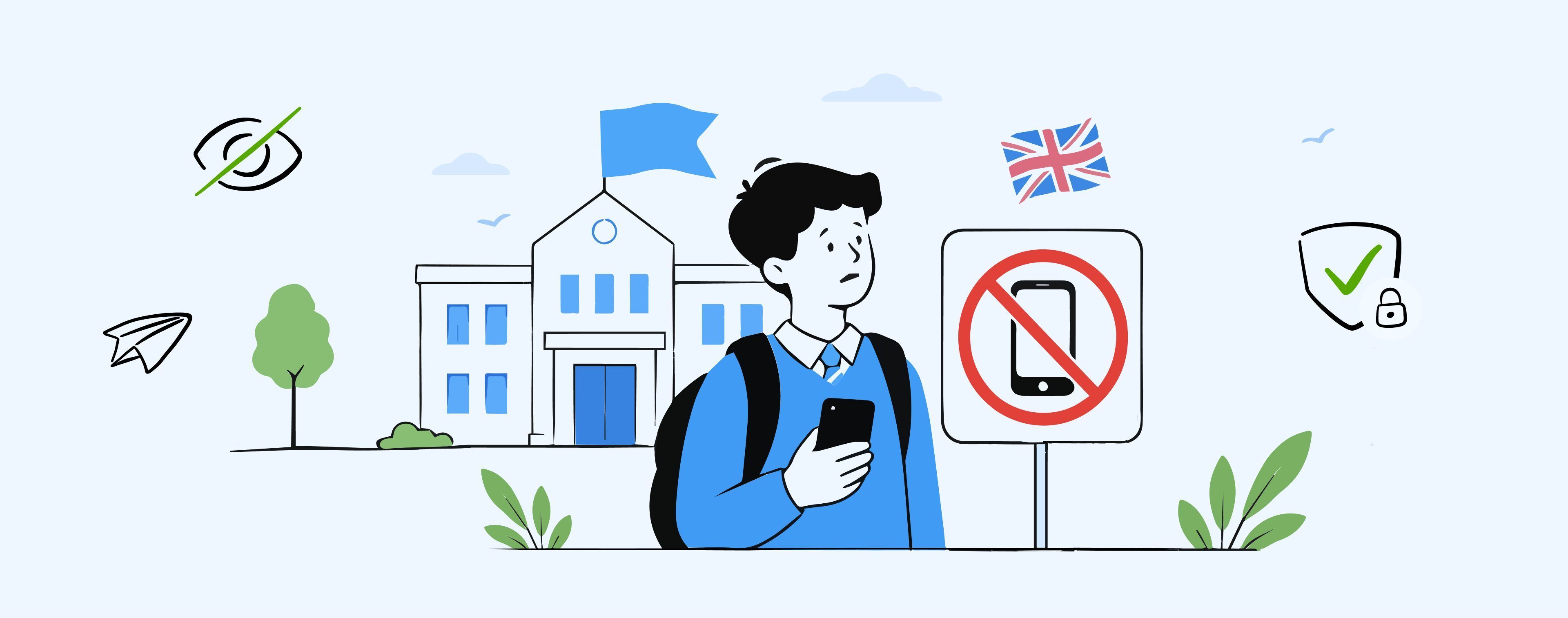
From September 2026, schools in England must be mobile phone-free environments by default. What began as Department for Education advice in 2024 is now backed by law: under the Children's Wellbeing and Schools Act 2026, the government's mobile phones in schools guidance became statutory on 29 June 2026, and schools are expected to follow it from the start of the autumn term. Ofsted will assess how well each school's policy works as part of every inspection. Here is what the ban actually says, and what it means for schools and for parents.
Here's what you'll learn:
- Exactly what the new statutory guidance requires
- What changes for schools, and how Ofsted will judge it
- What it means for parents, especially reaching your child during the day
- How schools keep families connected once phones are put away
What the UK school mobile phone ban actually says
Schools in England should be "mobile phone-free environments by default," and anything other than that should be "by exception only." The direction of travel has been clear for two years, and it has now hardened into law.
- February 2024: the DfE published non-statutory guidance recommending schools prohibit mobile phone use throughout the school day.
- January 2026: the guidance was updated to say all schools should be phone-free by default.
- 20 April 2026: the government announced it would put the guidance on a statutory footing.
- 29 June 2026: under Section 36 of the Children's Wellbeing and Schools Act 2026, state-funded schools in England must now "have regard to" the guidance, giving it the force of law (House of Commons Library).
- 1 September 2026: schools are expected to be following it from the new term.
Once guidance is statutory, schools and academy trusts must be able to show they have followed it, or give lawful reasons for any departure (Schools Week).
What it means for schools
The practical work sits with school leaders. A defensible policy needs to spell out how phones are handed in, stored, and returned, and how the rule is enforced consistently across year groups. Schools should also plan for lawful exceptions: pupils with medical needs or SEND may require reasonable adjustments, which the guidance expects schools to make.
The bigger shift is about contact. When pupils no longer carry a phone through the day, the school becomes the single point of contact for families. Ofsted will look not just at whether a policy exists, but at whether it works in practice, so the way a school reaches parents suddenly matters far more than it used to.
What it means for parents
For many families, the ban ends a daily habit: a quick text to your child about pick-up, clubs, or "are you okay?". That reassurance now has to come through the school instead. Three things change for parents:
- Emergencies. You cannot reach your child directly during the day, so you need a fast, reliable line to the school, and the school needs one to you.
- Everyday logistics. Absence, late arrivals, pick-up changes, and trip consent all flow through the school rather than the child's phone.
- Reassurance. Parents stay comfortable with a ban when the school proves it can reach them quickly and answer questions without friction.
How schools keep parents connected when phones are away
The schools that handle the ban well replace the informal phone channel with one official, reliable line to families. Instead of parents texting pupils, everything runs through a single secure school-parent communication app the school controls.
- One official channel. Consolidating updates into one app means messages actually land. On average, schools reach about 86% of parents through Schoolvoice, and many reach 100%, so a single channel does what scattered WhatsApp groups and texts cannot.
- Emergency alerts, built for exactly this. A Schoolvoice Emergency Alert reaches every one of a pupil's guardians at once, full-screen and breaking through silent mode, on the school's logged channel. It answers the first question every parent asks about a phone ban: what happens if something goes wrong.
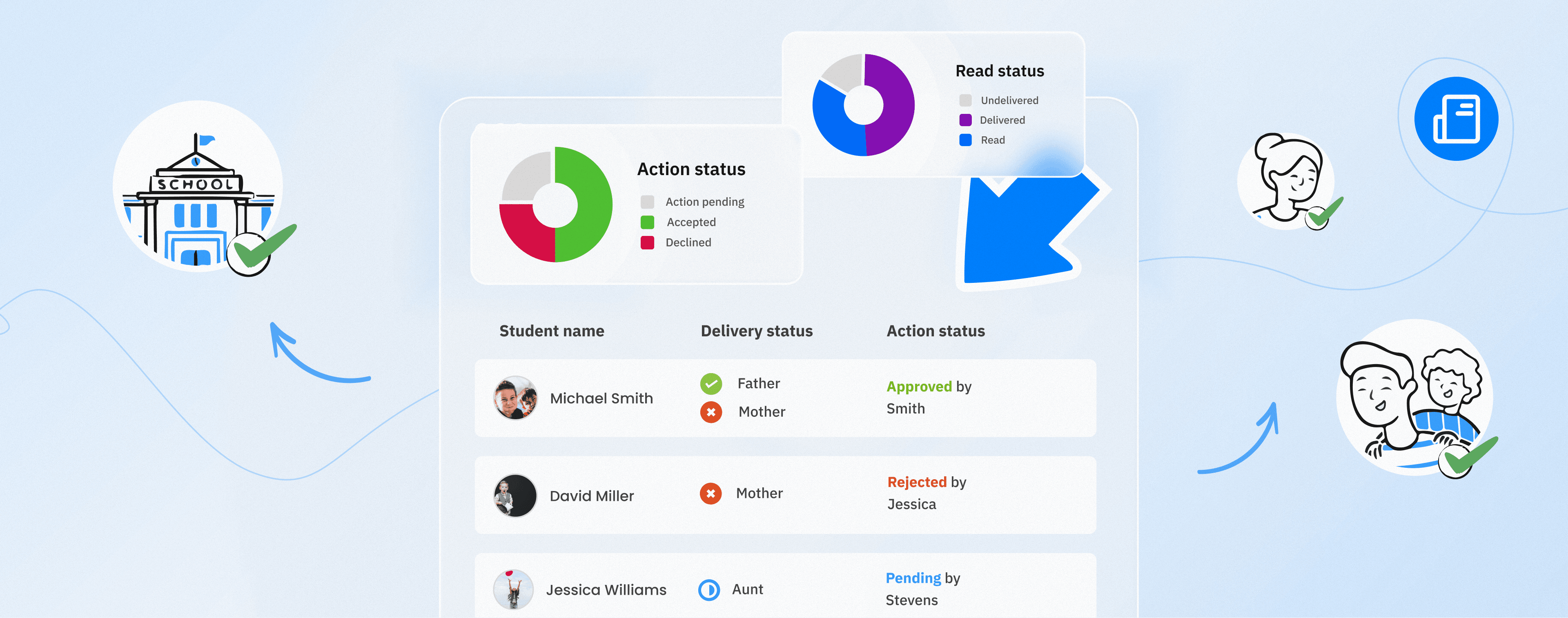
- One-tap messages. Actionable Messages let parents Read, Approve a trip, or Acknowledge a policy in a single tap, so consent and updates do not depend on a pupil relaying them.
- Absence reporting. Parents submit an absence or late note in the app instead of a quick message to their child.
- Private staff contact. Chat and in-app Voice Calls let parents reach staff directly without anyone swapping personal phone numbers.
This is already how schools operate across markets, the UK included. One of Schoolvoice's clients is The Pointer School in Blackheath, London, which uses it as its official parent-communication channel, alongside hundreds of schools and thousands of parents across 16 countries who rely on Schoolvoice to stay connected.
Book a demo to see how schools keep every family reachable once phones are put away.
Why this matters now
The ban removes a channel parents have leaned on for years. Schools that give families one clear, official line keep trust high and parents reassured, while meeting Ofsted's expectation that the policy works in the real world, not just on paper. Phone-free is now the rule. The schools that pair it with strong parent communication are the ones that will make it stick.
Book a Schoolvoice demo to keep parents connected through the phone ban and beyond.
References
- Mobile phones in schools (England), House of Commons Library.
- Mobile phones in schools, GOV.UK / Department for Education.
- DfE set to make school phone ban guidance statutory, Schools Week.