A Parent’s Guide: How to Support Your Child During Exam Season

With exam season approaching over the coming weeks, a sense of anxiety fills both schools and homes as everyone prepares for the busy period ahead. Revision plans begin, mock exams take place, and students work toward their final examinations.
At the same time, while teachers provide the necessary academic support, the role of parents during this period is equally important. Without emotional support, reassurance, and a sense of calm, students may not perform as well in their exams, regardless of the effort they put into their studies.
That’s why we’ve put together this simple guide to help you and your child navigate exam season with confidence, along with a free gift from Schoolvoice inside the blog.
Why is it important to encourage children to talk about their exam anxiety?
Feeling nervous before exams is a normal part of the experience for both children and adults. As parents, we should encourage open and honest conversations about any worries our children may have. This helps us understand whether their anxiety is simply the usual pre-exam nerves or the result of a specific difficulty, such as a challenging subject.
Once we understand what's causing their concern, we can take the right steps to support them.
How can we support our children emotionally during exam season?
Children may not always realize that parents feel many of the same worries and stresses that come with exam season. Even so, this is ultimately their experience. Once we have listened to their concerns and offered reassurance, we can focus on providing the emotional support that helps them thrive.
Separate love from grades
Let your children know that your love and appreciation for them do not depend on their grades. Exams are simply one way of reflecting their efforts and learning.
Create a calm environment
A stable and peaceful home environment can help children feel more secure and emotionally supported.
Avoid comparisons
Resist the urge to compare your child to classmates or siblings. Comparisons can increase pressure and weaken confidence. Every student has their own strengths, challenges, and path to success.
Why is early exam preparation important, and how can we create a flexible revision schedule?
Preparing early for exams can greatly reduce stress and help students feel more organized and in control. Once schools release the exam timetable, parents are better able to plan revision, prioritize subjects, and identify areas that may require additional attention.
Smart tip
Make the revision schedule flexible enough to fit around school commitments without adding extra pressure. Break study time into short, focused sessions with regular breaks. The Pomodoro Technique—25 minutes of study followed by a 5-minute break—is a simple way to help students stay focused and retain information more effectively.
Reduce screen time
One of the challenges of excessive screen exposure in children is reduced attention span and increased distractibility. That’s why it is essential to put a plan in place to reduce screen time overall, particularly during exam preparation.
This helps give their brains a break from constant distractions, improving information retention and recall during exams.
Doctors recommend no more than two hours of recreational screen time per day.
Set a dedicated study space
Studying can feel demanding for both children and parents, especially during exam season. That’s why it’s important to teach children from an early age that everything has its place—sleeping, eating, and studying each belong in their own proper setting.
This doesn’t necessarily require a separate room. A small, quiet space is enough: a simple desk and chair in a calm area with good lighting and ventilation, away from distractions. This environment helps children focus better and prepare themselves for productive study sessions.
How does a daily routine build student discipline?
Healthy daily habits are the key to discipline and consistency. During this time, create a balanced routine that includes regular study sessions in a dedicated space, along with proper nutrition, rest, and sufficient sleep.
Why is proper nutrition important during exams?
During exam periods, many students—especially older ones—tend to rely on caffeine, energy drinks, or unhealthy snacks. However, a balanced diet that includes proteins, carbohydrates, and fiber can help with:
- Improving focus and attention
- Providing the energy and nutrients the body needs
- Supporting and strengthening the immune system against exam stress
Sleep quality and duration: What are the healthy sleep needs for students?
Getting enough early and regular sleep is essential for restoring both physical and mental energy. Recommended sleep durations are as follows:
- Students aged 6–12 years: Students in this age group need between 9 and 12 hours of sleep per day.
- Students aged 13–18 years: Students in this age group need between 8 and 10 hours of sleep per day.
Expert tip: To ensure deep and restful sleep, provide a calm environment and avoid all screen exposure for at least one hour before bedtime.
How can we create a flexible reward system that motivates children without going overboard?
We often assume rewards need to be big, but they can be as simple as a kind word or a bit of extra downtime. In this sense, rewards act as a spark of motivation that keeps students focused and disciplined, while showing them that effort matters—not just results.
Daily rewards
After completing the daily revision plan, offer a little extra free time, a small treat, or simple words of encouragement.
Weekly rewards
After completing the weekly revision plan, give them a short outing or some extended time to relax and unwind.
Final reward
After exams, agree on something to look forward to—such as a gift they’ve been wanting or a fun family summer trip.
Even small rewards like these can go a long way in keeping children motivated, consistent, and energized throughout their studies.
Your free gift from Schoolvoice
And now, here’s your free gift from Schoolvoice: motivational stickers with encouraging words that you can use as daily rewards to motivate your children!
When and how should we reach out to teachers to support our children academically?
Teachers are the main experts in the learning process, and involving them can make a real difference when it comes to revision and exam preparation.
Don’t hesitate to reach out to teachers to ask for extra learning resources or for simple guidance on how to make difficult subjects easier for your child to understand. Their support can bring clarity and help your child feel more confident during exam preparation.
How can you contact your child’s teachers through the Schoolvoice app?
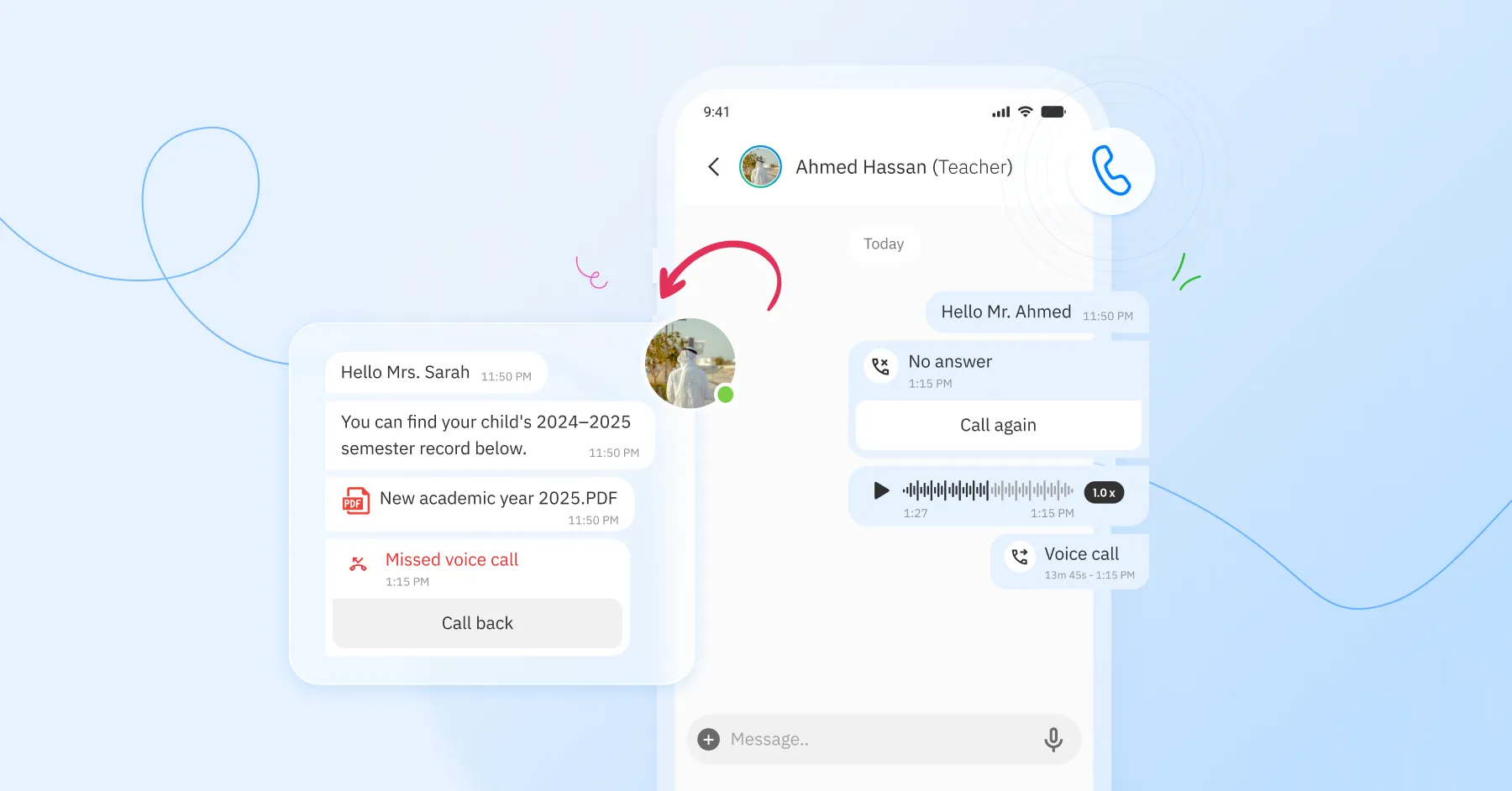
Chat feature
With the Schoolvoice app’s Chat feature, you can easily and securely message any of your child’s teachers directly, without sharing your personal phone number. This makes it simple to ask for any information you need while supporting your child’s exam preparation.
It also helps keep communication between home and school clear, quick, and more connected.
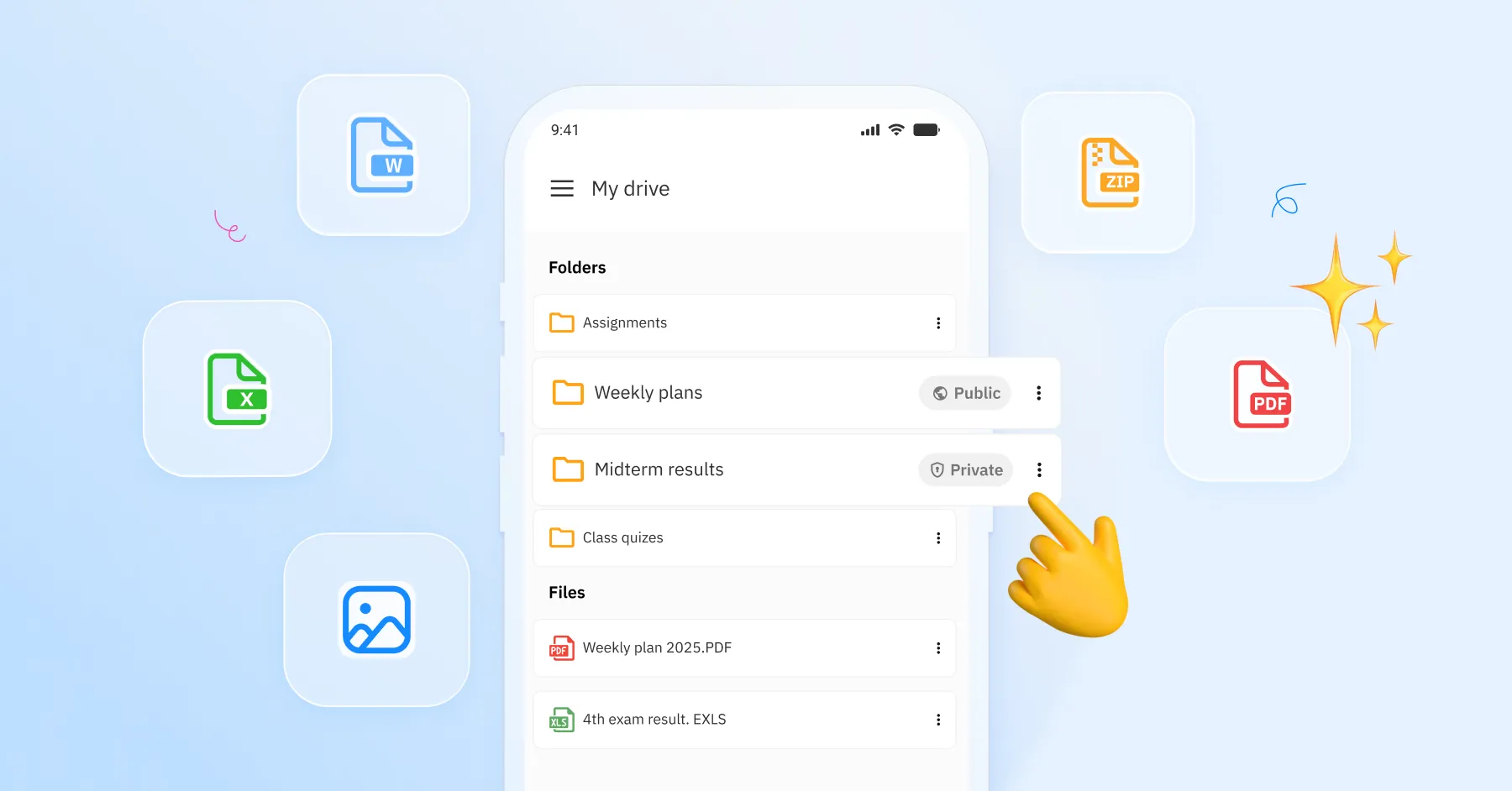
Teacher Drive feature
Teachers can share important files you may need through the Teacher Drive feature, which you can easily access in the app. This makes it easier to stay informed, access revision materials, and strengthen communication between parents, teachers, and the school.
A final word
At the end of the day, it’s important to remember that children need emotional support just as much as they need study and effort. Let’s support them with patience, reassurance, and kind words so that their hard work can be rewarded with confidence, growth, and success.